Three-day and six-day PPL schedules organize the same movement groups differently. Choose a schedule you can perform and recover from consistently.
Quick answer: A push/pull/legs (PPL) split trains muscles by movement pattern — push day (chest, shoulders, triceps), pull day (back, biceps), leg day (quads, hamstrings, glutes). It can run 3 days a week (one full cycle) or 6 days a week (each muscle group twice); the right version depends on your schedule, not your work ethic.
🧱 What Push/Pull/Legs Actually Means
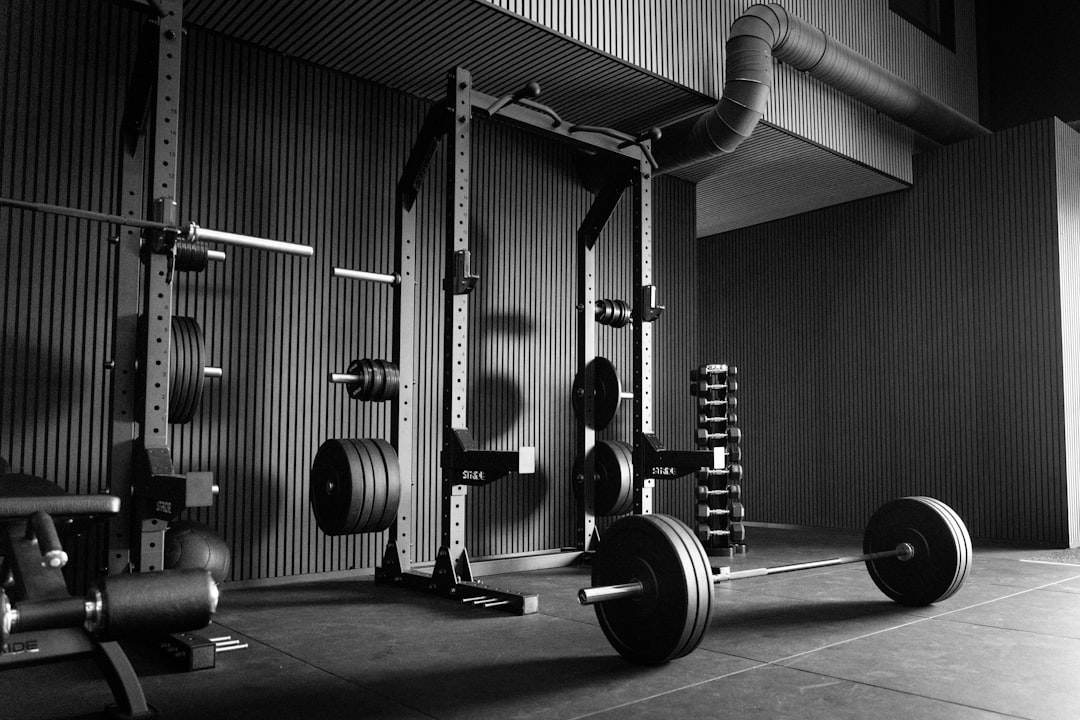
Strip the bro-science off and it's stupidly simple:
- Push day: chest, shoulders, triceps. Everything involved in pressing a weight away from you (bench, overhead press, dips, pushdowns).
- Pull day: back, biceps, rear delts. Everything involved in pulling a weight toward you (rows, pull-ups, curls, face pulls, deadlift variations — though plenty of programs park deadlifts on leg day instead, and that's fine).
- Leg day: quads, hamstrings, glutes, calves.
🔥 6-Day PPL vs. 3-Day PPL: Picking Your Frequency
Classic 6-day PPL — Push, Pull, Legs, Push, Pull, Legs, repeat — hits every muscle group twice a week. Include a rest day rather than reading “repeat” as an instruction to train indefinitely without a break.
Online this gets dismissed as "the beginner split" or cope for guys who won't work hard. Nah. A once-weekly PPL rotation is a legitimate way to train if your calendar can't promise six gym days, which describes most of us. Different tool, different constraint.
- Monday — Push (commercial gym, full rack and cables)
- Wednesday — Pull
- Friday — Legs
- Saturday or Sunday — bonus 4th session. Either a repeat of whatever day got shorted, or garage work with the barbell and the adjustable dumbbells
📊 The Volume Number That Matters More Than the Split
For a current reference, ACSM points to around 10 weekly sets per muscle group for hypertrophy, alongside individualization and consistency. This is not a minimum everyone must reach, and adding sets is not automatically better for every lifter. ACSM 2026 guidance
More sets in one session can add fatigue, but this article does not establish a universal six-set cutoff. Spread work across sessions when that helps you maintain technique, effort, and recovery.
🎯 Reps, Load, and Not Overthinking It
Choose a load that lets you keep control and consistent technique. Do not use “the last reps look bad” as a target for effort; reduce the load or stop the set when you cannot maintain the intended movement.
🤔 Frequency vs. Volume — Two Different Questions
Frequency and weekly set count are different variables. Spreading work across sessions can make a schedule more manageable; assess the amount and quality of work rather than treating the number of days as a score.
A strength-focused plan may prioritize practice of specific lifts. Keep that goal distinct from choosing a schedule purely for muscle size.
Compare the actual exercises and weekly working sets before attributing different results to the split. Two people can follow the same schedule with very different effort, workload, recovery, and experience. More days are an option for distributing work, not proof of a better program.
🧭 Which Version Should You Run?
- Crammed schedule, unpredictable travel or work: 3-day PPL, one rotation a week, add a 4th bonus day whenever the week allows. Choose a manageable workload rather than assuming fewer days make the week inadequate.
- Predictable schedule, six real gym slots, discipline to not skip day 5: 6-day PPL. It's the easiest way to stack the sets.
- Somewhere in between: run it rolling. Push, Pull, Legs, Push, Pull, rest, Legs. Stop forcing it into a Monday-to-Sunday grid. Your chest has no idea what day it is.
Log the sessions you actually complete, including effort and recovery. Use repeated observations to adjust the plan rather than judging it by a perfect-looking weekly calendar.
❓ FAQ: Push/Pull/Legs Split Questions
Is Push/Pull/Legs good for beginners? Beginners can consider a manageable schedule while learning the movements. Six days is not a requirement, and the workload matters as well as the number of sessions.
Can you build muscle doing PPL only 3 days a week? A three-day PPL is a scheduling option. Compare the actual workload and recovery rather than assuming that three days cannot work or that six days must be better.
Should biceps be trained on push day or pull day? Either works — it's a fatigue and preference call, not a rule. Biceps get pre-fatigued from rows and pull-ups on pull day, but plenty of programs put arm work on push day or a dedicated arm day to spread volume around.
How many rest days do you need between PPL workouts? Build recovery time into the plan and adjust it to the workload and your response. The Monday/Wednesday/Friday example has rest days between sessions; it is not a rule that everyone needs the same interval.
Is 6-day PPL overtraining? The schedule alone does not diagnose overtraining. If recovery or performance is repeatedly worsening, reassess the workload and schedule instead of forcing the six-day target.