Hey friends, MansBuilder here — still can't crank out a clean pull-up, still ready to fight anyone who says deadlifts are bad for you. Today it's the SBD big three: squat, bench, deadlift. The lifts that built powerlifting, and also the lifts that have personally made me stare at the ceiling and question everything at 6 a.m. on a Tuesday.
So here's my mishap of the week, donated free of charge to the internet. I loaded up my squat like I was auditioning for a strongman show. Missed depth. Felt my knees cave in like a cheap lawn chair. Then I spent three days walking around like somebody had swapped my legs out for a stranger's. Nothing tore. Nothing popped. But it was a loud, humbling reminder that the squat was never the problem. I was. Specifically, the version of me who decided form was optional that morning.
Quick answer: Squat, bench, and deadlift (SBD) don't inherently wreck your joints — sloppy technique, ignoring RPE (Rate of Perceived Exertion), and skipping accessory work do. Clean up your bar path, train most sets at RPE 6–8, and add 8–15 rep accessory work to protect your knees, shoulders, and lower back for the long haul.
That's basically the whole point of this post. Let's get into it.
🏷️ Quick disclaimer: SBD ≠ the belt company
Little bit of housekeeping first. When I say "SBD" here, I mean Squat, Bench, Deadlift — the three lifts contested in powerlifting. There's also a UK-founded gear brand called SBD Apparel that makes belts, knee sleeves, and wrist wraps. This is not a sponsored shoutout for them. I just didn't want anyone thinking I'm secretly running ads for a belt company. (I promise I'm not that important yet.)
💀 The myth we need to kill: "deadlifts wreck your back"
I believed this one for years, honestly. Turns out it's mostly nonsense.
Research — including a 2015 study in the Journal of Strength and Conditioning Research — shows that properly coached, progressively loaded deadlifts actually improve low-back function over time. Your spine isn't made of glass. It adapts to load the same way your biceps adapt when you curl. What hurts people isn't "the deadlift" as a movement. It's fatigue, sloppy technique, or slapping on too much weight too fast. It's not the gun. It's how you're holding it. If your lower back is barking after pulls, it's worth reading why your lower back hurts after deadlifts before you blame the lift itself.
🦵 Where the actual joint stress comes from
So if SBD isn't inherently dangerous, what is? Almost always one of these:
- Squat: knees caving inward (valgus) under load — usually from going too heavy, too fast, or losing tightness at the bottom.
- Bench: flared elbows and bouncing the bar off your chest, which turns your shoulders into shock absorbers they were never built to be.
- Deadlift: a rounded lower back — or the opposite problem, hyperextending at lockout like you're competing in a "who can lean back the furthest" contest.
Fix the technique, and you strip out most of the joint stress without changing a single exercise on your program. If knee cave is your specific gremlin, I broke down the fixes in cleaning up knee valgus in your squat. That's the part I wish someone had drilled into me sooner.
🎚️ The real joint-preservation lever: manage your effort, not just your form
Here's the part most guys skip right past. You can have textbook form and still beat yourself into the ground if you're grinding every set to a 10 out of 10.
The RPE scale (Rate of Perceived Exertion) runs 1 to 10. Most of your productive strength work should live at RPE 6–8, meaning you've still got 2 to 4 reps left in the tank when you rack the bar. Training to true failure (RPE 9–10) absolutely has its place. That place is occasional peaking or a mock-meet attempt. Not a random Wednesday because you felt spicy. If autoregulation is new to you, I go deeper on the numbers in how to actually use RPE in your training.
🔁 A simple autoregulation rule I actually use
If a percentage on my program is going to shove me past RPE 8, I don't force it. I hold last week's weight, or I drop the load 2–3% and come back for it the following week.
Sounds almost too simple, right? But it's the whole difference between training and testing every session. And testing every session is exactly how your joints start filing complaints with management.
🧱 Rep ranges that keep the machine running
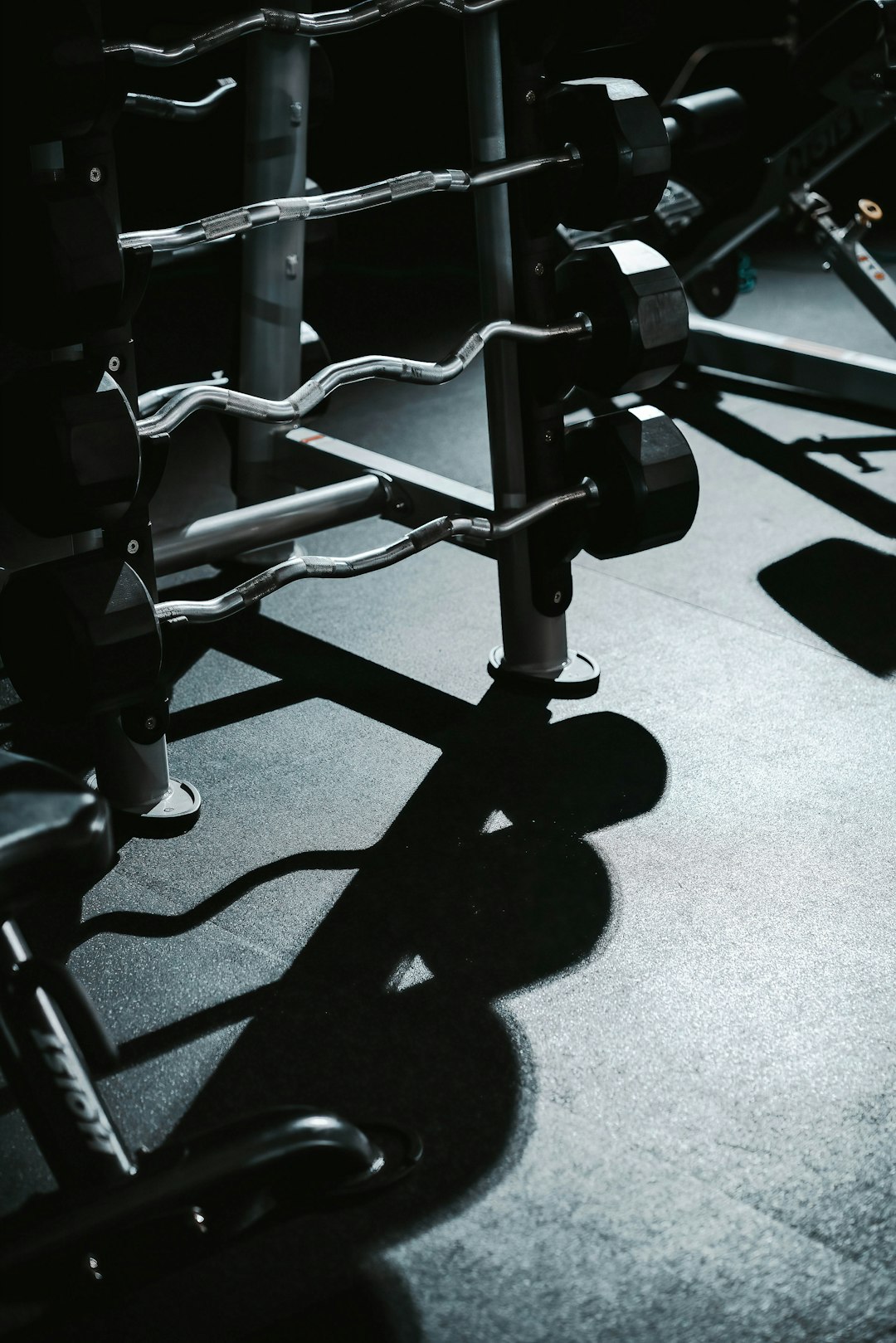
For the big three, I stick to roughly 3–6 reps at a moderate-to-high percentage of my working max. Heavy enough to build real strength, not so heavy it becomes a grind-fest.
Then I layer in higher-rep accessory work — think 8–15 reps on the smaller stuff. Rows, curls, leg extensions, that whole family. That's what builds up tendon and connective-tissue resilience around the big lifts. Quiet, unglamorous, and doing more for your longevity than any hero single.
🔧 Putting it together
None of this is complicated, which is honestly the most annoying part. I wanted a secret. There is no secret.
Nail your bar path. Respect an RPE ceiling instead of chasing exhaustion. Let your accessory work do quiet background maintenance on the joints that are pulling all the heavy duty. That's the whole game.
My knees, for the record, are still recovering their dignity from that squat session. But the lifts themselves? Still innocent.
❓ FAQ: Squat, bench, and deadlift joint health
Is it bad to squat, bench, and deadlift every week? No — weekly SBD training is standard for most lifters. Joint issues come from stacking heavy singles at max effort week after week, not from the frequency itself. Manage volume and RPE and weekly training is fine, even ideal for skill practice.
What RPE should I train at to avoid injury? Most working sets should sit at RPE 6–8, leaving 2–4 reps in reserve. Save RPE 9–10 (near or true failure) for occasional peaking blocks or meet-prep singles, not everyday training.
Do deadlifts really hurt your lower back? Not when they're coached well and progressively loaded — research links proper deadlift training to improved low-back function. Pain usually comes from rounding under fatigue or jumping weight too fast, not the movement itself.
How many reps should I do for squat, bench, and deadlift? For the main lifts, 3–6 reps at a moderate-to-high percentage builds strength without turning every set into a grind. Pair that with 8–15 rep accessory work for joint and tendon resilience.
What's the difference between SBD lifts and SBD Apparel? SBD as a training term means Squat, Bench, Deadlift — the three powerlifting lifts. SBD Apparel is a separate UK gear brand that makes belts, sleeves, and wraps. Same initials, unrelated meaning.
If you're still chasing that missing depth on your squat, go read how to actually fix squat depth without wrecking your knees next — it's the natural follow-up to this one.