
Hey friends. Let me tell you about the six months my acoustic-electric spent leaning in the corner of my living room like a sad, dusty houseplant nobody remembers to water.
I never officially quit playing. I just... stopped. And every time I walked past it, the plan was identical: plug into the amp, immediately remember it's 9:45 p.m. and that I have neighbors who are real people with feelings, unplug, noodle unplugged and out of tune for maybe four minutes, give up. Rinse and repeat for half a year. Somewhere in there, practicing had quietly turned into a chore I was dodging. Which is a genuinely embarrassing thing to admit about something that used to be the most fun part of my day.
What finally snapped me out of it wasn't discipline. Let's be honest, I don't have a ton of that lying around. It was gear. Two specific pieces that fixed the actual problem instead of asking me to white-knuckle my way through it.
Quick answer: If your guitar practice keeps dying, it's usually not willpower — it's friction. A silent headphone amp (like the NUX Mighty Plug Pro) kills the noise-and-timing excuse, while a modeling combo amp (like the Positive Grid Spark 40) makes real practice sessions feel like a hobby again instead of a chore.
🧩 It was never about motivation. It was friction.
I kept blaming myself. Lazy, undisciplined, no follow-through, the whole guilt buffet.
But when I actually stopped and looked at the pattern, the problem was dumb-simple. Everything about my setup added a little tax. My old amp was loud-or-nothing. My tone at bedroom volume was thin and kind of harsh, like the guitar was annoyed with me. And there was no version of "quick 10-minute session" that didn't come with a negotiation: what time is it, who's home, do I feel like wrestling with cables tonight. If you've ever watched a hobby die from a thousand tiny annoyances instead of one big dramatic reason, you know the feeling exactly. I didn't need a pep talk. I needed to delete the friction, the same way I eventually had to rethink how I structure a daily guitar practice routine instead of just hoping motivation would show up on its own.
🛒 What I actually bought
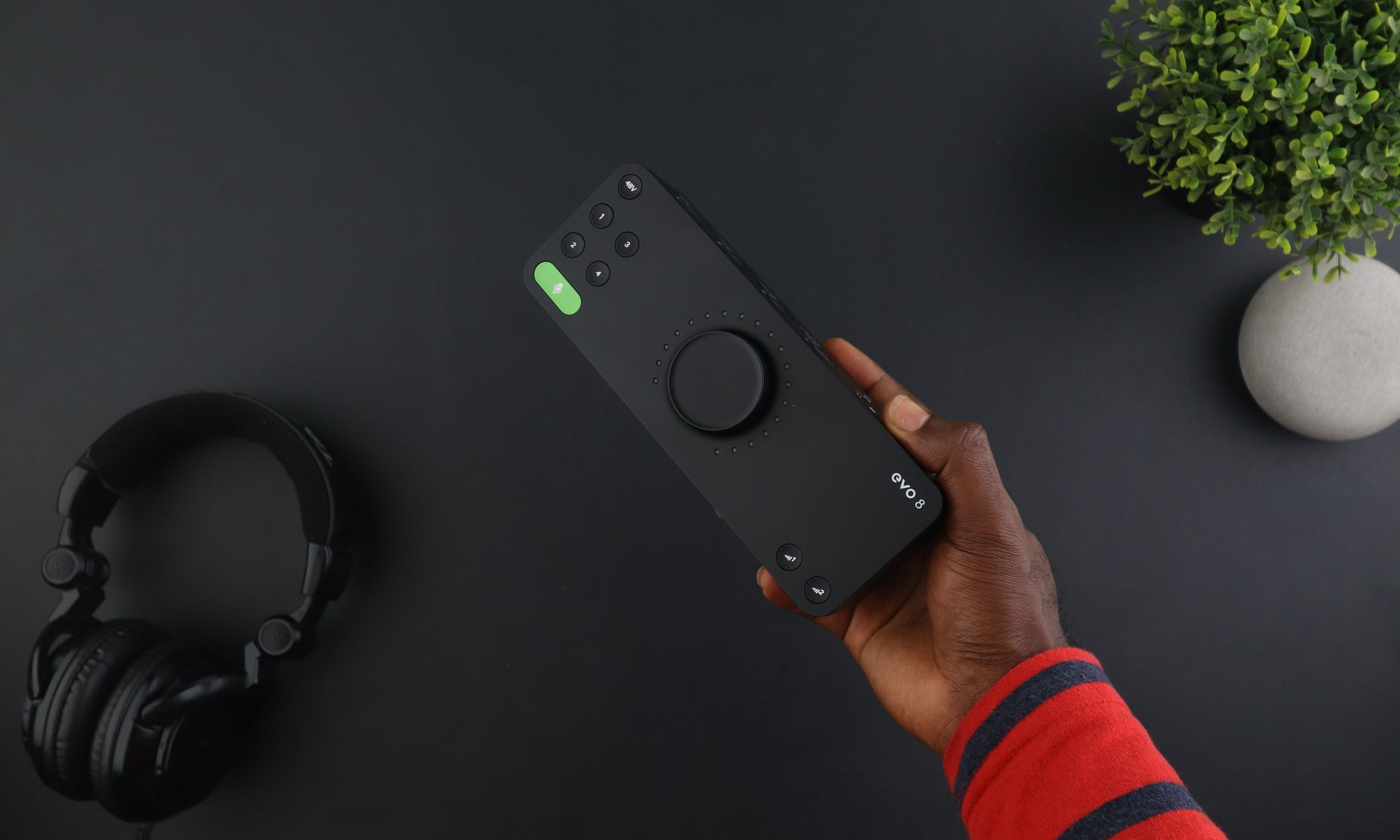
I ended up with two very different tools for two very different situations.
A Positive Grid Spark 40 for when I've got the living room to myself and I want real amp presence in the room. And a NUX Mighty Plug Pro (MP-3) headphone amp for literally everywhere else. Including 11 p.m. sessions where the only human who should ever hear my Metallica-cover attempts is me. (Trust me, this arrangement protects everyone.)
Buying both wasn't me getting carried away at checkout. Okay, partly. But mostly it was the plan. One tool killed "I don't want to bother anyone." The other killed "I want this to actually sound good." Different problems, different boxes. If you're weighing your first purchase, it's worth skimming a simple guide to picking your first practice amp before you buy either one blind.
🔊 The Positive Grid Spark 40: a living-room amp that doesn't sound like a toy
The Spark 40 is a 40-watt modeling combo with two 4-inch speakers, and it's $299 MSRP. I've seen it discounted closer to $250–299 depending on whatever sale is happening.
The wattage isn't what got me, though. It was the range. You get 33 amp models and 43 effects crammed into one box, which sounds like absurd overkill until you realize it means I can jump from a clean, jangly chime to a gritty overdriven snarl without buying five separate amps I have zero room for. It streams over Bluetooth 4.2, has USB and a 1/8" headphone/aux out, and pairs with the free Spark app on iOS and Android. The app runs your tone settings and has this "Smart Jam" feature that basically conjures a backing band out of thin air.
I'll be straight with you. The first time I hit Smart Jam, I just sat there for a solid twenty minutes playing over a bassline and drum groove the app cooked up, grinning like an idiot. It turned "practice" into "jamming," and those feel like two completely different activities in your body. Not just a nicer word for the same thing.
Specs at a glance
- 40 watts, dual 4" speakers
- 33 amp models, 43 effects
- Bluetooth 4.2, USB, headphone/aux out
- Free Spark app with Smart Jam backing tracks
- $250–299 depending on sale
🎧 The NUX Mighty Plug Pro: silent guitar practice that doesn't feel like a downgrade
Here's the catch with the Spark. It's still an amp. Amps make noise, even when you're being polite about it.
So for the sessions where noise simply isn't on the menu, I've been living with the NUX Mighty Plug Pro (MP-3). It runs somewhere around $99–109 (the manufacturer's own store lists it at $99), and it's a little headphone guitar amp that plugs straight into your instrument on one end and your headphones on the other. It carries 13 pro-grade amp models and over 40 effects, uses 512-sample impulse response resolution with 36 built-in IRs plus 18 slots for loading your own, and clocks in at 1.2ms latency. In plain human terms: there's no rubber-band lag between picking a note and hearing it. You pick, you hear it, done.
It gets about 5 hours on its internal 3.7V/1450mAh battery, connects over Bluetooth, and the USB-C port doubles as a recording interface if I ever want to actually capture the magic (or the mess). This is the one that lives in my bag full-time. It's the whole reason "no time to practice" stopped being a believable excuse for me. Desk, plane, hotel room, wherever. Nobody around me clocks a thing.
Specs at a glance
- 13 amp models, 40+ effects
- 512-sample IR resolution, 36 built-in IRs + 18 custom slots
- 1.2ms latency
- ~5 hours battery, Bluetooth, USB-C recording interface
- $99–109
🔥 Quick myth-check: no, you don't need a tube amp for this to sound "real"
I used to fully believe the old gospel. Modeling amps are a compromise, and if you want that real tube warmth, you need an actual tube amp, no exceptions, end of discussion.
After putting real hours on both the Spark and the Mighty Plug Pro, I just don't buy it anymore. And honestly, most people who've done serious side-by-side listening don't either. Modern impulse-response and modeling tech has closed the gap enough at bedroom and headphone volume that the thing everyone's scared of losing mostly isn't there in practice. That's not me saying every modeling amp is a note-for-note clone of every tube amp in every room. It's me saying "modeling can't sound authentic" is old advice. It's not a rule you need to build your entire gear budget around.
📅 How this actually plays out in a normal week
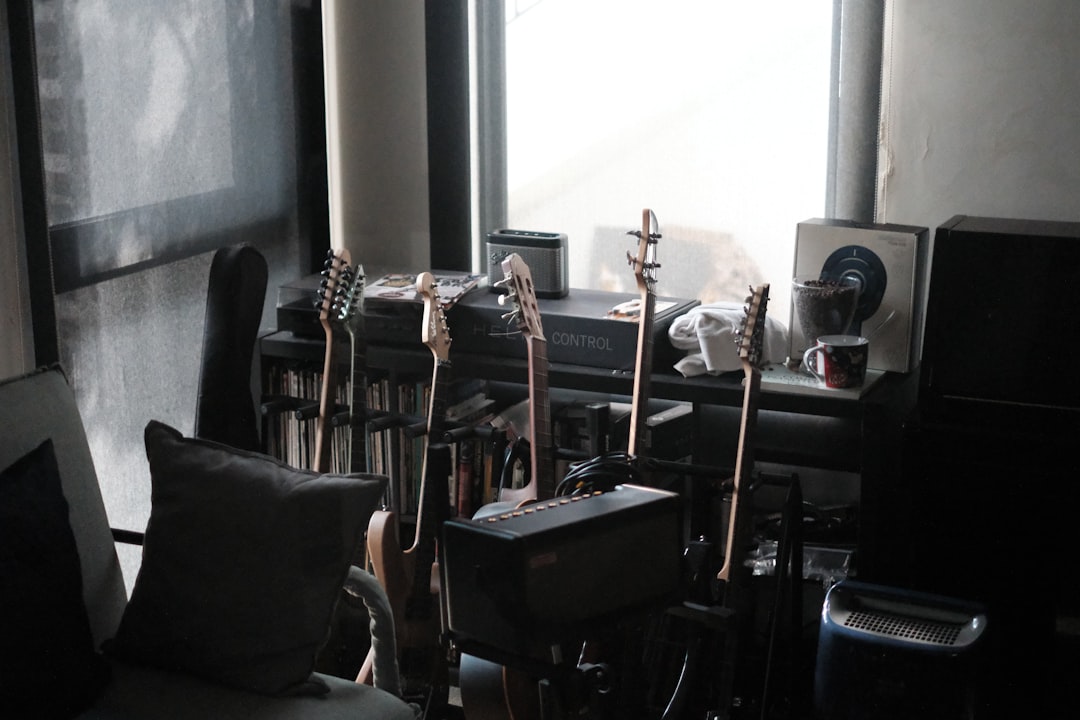
Realistically? Weekday mornings and late nights, it's the NUX in headphones for 15–20 minutes. No setup, no mental math about who's asleep.
Weekend afternoons when the place is mine, it's the Spark 40 through the app, usually with Smart Jam running so I'm playing to something instead of at nothing. And here's the part that matters: neither one requires me to summon willpower and "decide" to practice. The gear is frictionless enough that picking up the guitar is just the easiest thing in the room. Path of least resistance, finally working in my favor for once.
💰 A quick word on the money
All in, I'm out right around $400. That's not pocket change, so please read this as "here's what worked for me," not financial advice, and size it to your own wallet. There are cheaper ways in if you're patient — I dug into a few of them when I put together a rundown of budget-friendly guitar gear that's actually worth buying.
If you twisted my arm and made me pick one? The NUX solves the bigger day-to-day problem for me, silent and portable and always-on. The Spark is the one that makes playing feel like a real hobby again instead of a chore I'm shoving into a five-minute window. Different jobs. I'm glad I've got both, but either one alone would've dragged that guitar out of the corner.
🎸 If you're stuck in the same rut
If your instrument is collecting dust for the same reason mine was, not because you stopped caring but because there's too much junk between "I want to play" and "I'm playing," I'd start with whichever problem is loudest for you.
If noise or timing is what keeps killing your sessions, grab something like the Mighty Plug Pro and stash it wherever your bag already lives so there's literally zero extra step. If your problem is more "I'm bored to death of my own tone," the Spark 40 and its pile of amp models will keep you busy for ages before you've heard everything it does.
Either way, the lesson that actually stuck with me is boring but true. Sometimes you don't need more discipline. You need less friction. And expect the unexpected, as always, because the fix is almost never the thing you were beating yourself up about.
❓ FAQ: silent guitar practice gear
What's the best amp for practicing guitar quietly at night? A headphone guitar amp like the NUX Mighty Plug Pro is the most reliable fix. It skips speakers entirely, runs on battery, and gives you low-latency tone straight into headphones, so you can play at 11 p.m. without anyone else hearing a note.
Do you need a real amp to practice guitar, or is a headphone amp enough? For daily practice, a headphone amp is genuinely enough — the tone quality on modern units is close to a full amp. Keep a modeling combo like the Spark 40 around for sessions where you want the sound filling the room, not just your ears.
Is the NUX Mighty Plug Pro good for beginners? Yes. It's plug-and-play, has 13 amp models and 40+ effects to experiment with, and the 1.2ms latency means there's no distracting lag while you're still building basic timing and technique.
Does a modeling amp like the Positive Grid Spark 40 sound as good as a tube amp? At bedroom and practice volume, close enough that most players can't tell in a blind test. Modern modeling and impulse-response tech has closed most of the gap that used to make tube amps the only "real" option.
How much should I spend on a home guitar practice setup? Budget around $100 for a solid headphone amp and $250–300 if you also want a room-filling modeling combo. You don't need both on day one — buy the one that solves your actual bottleneck first.
If any of this sounds familiar, the deeper fix isn't really about gear at all — it's about figuring out why hobbies quietly die and how to actually stick with one this time.